The Guy Who Answers on the Third Ring: What a Trusted Mechanic Really Means to a Classic Bike Owner
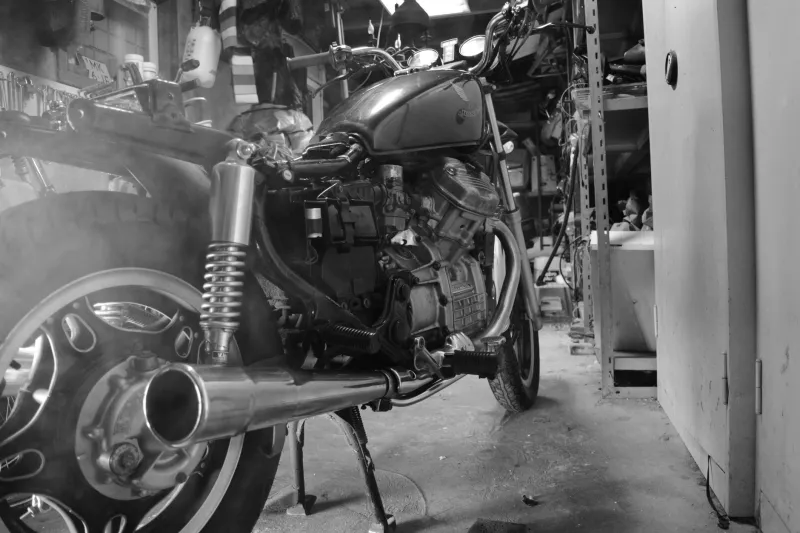
It's 9:47 on a Tuesday night somewhere outside Flagstaff, Arizona. Your 1972 Triumph Bonneville just started making a sound you've never heard before—a kind of hollow clatter that wasn't there an hour ago. You're not in danger, exactly. You're pulled over on a dirt shoulder with your hazards blinking and your heart doing something unpleasant. And the first thing you do, before you even pop the side panel, is reach for your phone and scroll to one name.
Not roadside assistance. Not a Google search. A person.
For riders who've been at this long enough, that name belongs to a mechanic—someone who's probably known your bike longer than most of your friends have. Someone who can hear a description of a sound and narrow it down to three possibilities before you even finish your sentence. In the world of classic motorcycles, this relationship isn't just convenient. It's essential.
More Than a Transaction
Walk into any independent shop that specializes in vintage iron—the kind with hand-lettered signs, a parts shelf that looks like an archaeological dig, and a dog sleeping under the workbench—and you'll find something chain dealerships can't manufacture: history. The mechanic behind the counter probably knows the regulars by name, by bike, and sometimes by the specific way they describe a problem.
Randy Kowalski has run a small shop outside Milwaukee for going on 28 years. His specialty is British twins from the '60s and '70s, though he'll turn away almost nothing with a carburetor and a soul. Ask him about his longest-running customer relationship and he barely has to think.
"Guy named Dennis. He brought in a '68 BSA Lightning when I first opened. Kept it. Sold it. Bought it back. We've done three full restorations on that same bike." He pauses. "At this point I probably know that motorcycle better than I know my own truck."
That kind of institutional knowledge—accumulated over decades and across multiple rebuilds—is genuinely irreplaceable. It can't be crowdsourced on a forum, though forums certainly help. It can't be replicated by a scan tool. It lives in the hands and memory of someone who's been there before.
The Phone Call Nobody Talks About
Every veteran rider has a version of the same story. The bike does something unexpected. The owner knows enough to recognize it's wrong but not enough to diagnose it cleanly. And somewhere in the middle of that uncertainty, they call their mechanic.
Sometimes it's a quick fix—a loose connection, a fouled plug, something that gets laughed about later over coffee. Other times it's the beginning of a longer conversation that stretches over weeks and involves sourced parts, machined replacements, and decisions about how authentic to keep the restoration. Either way, the call itself is an act of trust.
"People call me from the road all the time," says Elena Vargas, who runs a shop in Austin that handles everything from pre-war Harleys to early Japanese imports. "And honestly, I don't mind it. That call means they trust me. You don't call someone you don't trust when you're stranded."
She's right about that. The mechanic who gets the late-night call has earned something over time—a credibility that goes beyond technical skill. They've probably already seen your specific bike in worse shape. They've already talked you through something scary before. And they know, without being told, when to say "you're fine, keep riding" and when to say "load it up and bring it in."
Why These Relationships Take Years to Build
There's no shortcut here. Trust between a rider and a mechanic accumulates the same way patina does—slowly, through exposure, through time. It starts with a first job, usually something minor. The rider watches how it's handled. Whether the estimate held. Whether the explanation made sense. Whether the bike came back feeling right.
From there it builds. The mechanic starts to understand the owner's priorities—are they chasing concours perfection or just wanting something reliable enough to ride two-up to a rally in Tennessee? Do they want to learn, or do they want to hand it off and come back when it's done? Are they emotionally attached to keeping things original, or are they pragmatic about modern upgrades?
Getting those reads right takes time. And once a mechanic has them, they become genuinely hard to replace.
"I had a customer move to Denver a few years back," Randy says. "He still ships his bike back here for major work. Drives his wife crazy." He grins. "But I get it. Starting over with somebody new is a big ask."
The Mentorship Nobody Advertises
One of the quieter things that happens in these long-term relationships is knowledge transfer. The good mechanics—the ones who've been doing this for decades—tend to teach without making a big deal about it. They'll explain what they're doing while they do it. They'll answer the same question three different ways until it clicks. They'll tell you which problems you can handle yourself and which ones you should leave alone.
That informal mentorship is part of what keeps the classic bike world alive. It's how skills get passed down outside of formal training programs. It's how a rider who bought their first vintage bike at 40 eventually becomes the person other riders call for advice.
Elena puts it plainly: "If I can teach someone to do their own valve adjustment, that's one less panic call I get—and one more person who actually understands their machine. That's good for everybody."
Finding Your Person
If you're newer to classic bikes and you don't have that mechanic yet, the search is worth taking seriously. Ask around at rallies and local club meetings. Look for shops that specialize rather than generalize. Pay attention to how someone talks about the bikes they work on—enthusiasm is a decent proxy for care.
And when you find someone promising, start small. Give them a manageable job and see how it goes. Be honest about your budget and your goals. Ask questions. A mechanic who's right for you will welcome that.
The relationship you're building isn't just about keeping a machine running. It's about having someone in your corner who understands why you bother with old bikes in the first place—the impracticality of it, the reward of it, and everything in between.
Because when you're on the side of the road at 9:47 on a Tuesday night, that's exactly the person you need on the other end of the line.