Before You Fall in Love: The Hard Truths That Kill Classic Motorcycle Restorations Dead in Their Tracks
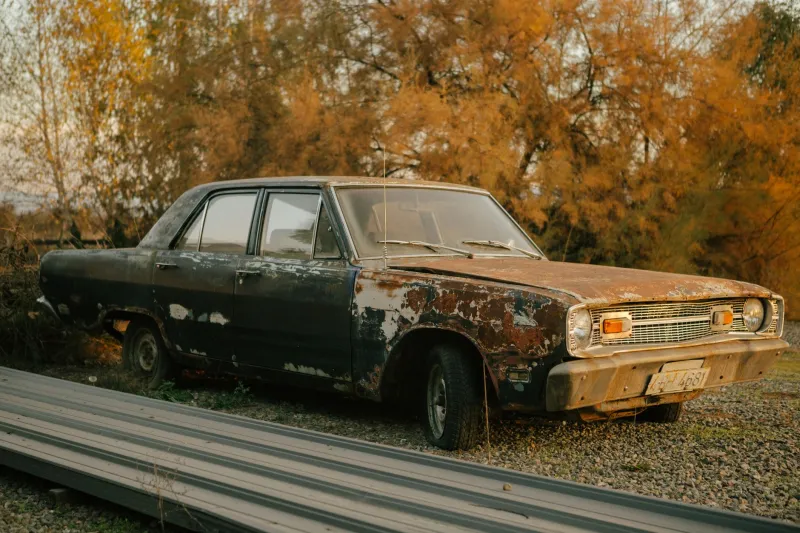
There's a specific kind of madness that grips you the moment you pull back a dusty tarp and find something old and two-wheeled staring back at you. The chrome is pitted, the tank is dented, the tires are flat and cracked like old leather—and somehow, impossibly, you're already imagining it running. That's the romance of the barn find, and it's one of the most powerful forces in the classic motorcycle world.
It's also how people lose their savings.
Not every neglected bike is a diamond in the rough. Some are just rough. The difference between a rewarding restoration and a five-year financial sinkhole often comes down to a few critical details that are easy to miss when you're standing in someone's garage with your pulse elevated and your judgment compromised. Let's talk about what those dealbreakers actually look like—and how to find them before you've written a check.
The Frame Is Everything (And It Can Lie to You)
Engines can be rebuilt. Carburetors can be sourced. Chrome can be replated. But the frame is the skeleton of the machine, and if that skeleton is compromised, you're building on a foundation that can never be fully trusted.
Frame damage is sneaky. A bike that went down hard ten or twenty years ago might have had cosmetic repairs done and then been stored away. Surface rust gets wire-brushed. Welds get ground smooth. Paint covers a lot of sins. What you need to look for are subtle signs of trauma: stress cracks radiating from welds, sections that look slightly out of alignment when you sight down the length of the bike, repair welds that don't match the original metallurgy, or areas where the metal has been heated and work-hardened in ways that make it brittle.
If you're not experienced at reading frames, bring someone who is. A trusted fabricator or an old-school mechanic who's seen crash damage before can often spot in thirty seconds what takes a novice an hour of squinting. And if the seller can't tell you definitively that the bike has never gone down, treat the frame as suspect until proven otherwise.
Straightening a bent frame isn't impossible, but it's expensive, and it introduces variables that affect handling in ways that are genuinely difficult to predict. On a bike you plan to actually ride—not just display—that matters enormously.
The Parts Desert Is Real, and Some Bikes Live There Permanently
Here's a question most enthusiastic buyers forget to ask before they fall in love: Can I actually get the parts I'll need?
For popular classics—your mid-century British twins, your vintage Japanese fours, your American V-twins from the right eras—the aftermarket is robust. Vendors specialize in them. Club registries track down NOS (new-old-stock) components. Reproduction parts fill gaps that would otherwise be fatal.
But step outside that charmed circle and the landscape changes fast. Certain models from smaller manufacturers, regional brands, or limited production runs exist in a parts ecosystem that is, charitably speaking, a desert. One cracked case half, one unobtainium carburetor body, one proprietary electrical component—and your project stalls indefinitely while you haunt eBay and post desperate messages in obscure forums.
Before you commit to any restoration, spend a serious afternoon researching parts availability. Search for the specific model on parts sites. Find the owners club or registry if one exists and ask members directly how hard sourcing is. If the answer involves phrases like "I've been looking for that piece for three years" or "you'll have to have one machined," you need to factor that reality into your decision—both financially and emotionally.
Metallurgy Problems That No Wrench Can Solve
This one sounds technical, but it's worth understanding even at a surface level, because it can quietly doom a project that looks completely saveable.
Older bikes—particularly those that sat for decades in humid environments, were stored near saltwater, or spent time in agricultural settings—can develop corrosion issues that go far deeper than surface rust. Aluminum components that have been exposed to moisture and dissimilar metals for long periods can suffer from galvanic corrosion that eats through the material in ways that aren't visible until you're already in the middle of disassembly. Engine cases that look solid can be paper-thin in critical areas. Wheel hubs can have internal corrosion that compromises structural integrity even when the surface looks acceptable.
If you have any doubts about major castings—engine cases, wheel hubs, fork lowers—it's worth having them evaluated by someone with experience before you invest in the rest of the project. A magnaflux inspection can reveal cracks invisible to the naked eye. A knowledgeable machinist can tell you whether a case half is thick enough to be safely bored or whether you're holding a beautiful-looking grenade.
The Documentation Trap
Missing paperwork is more than an administrative inconvenience. In some states, a bike with no title and no provenance trail is essentially impossible to legally register, no matter how beautifully you restore it. And a bike you can't register is either a trailer queen, a parts donor, or a very expensive wall decoration.
Before you buy anything without a title, look up your state's specific process for obtaining a bonded title or going through the DMV's alternative title process. In some states it's straightforward. In others, it's a multi-year odyssey with no guaranteed outcome. Factor that reality into your offer—or your decision to walk away entirely.
Beyond the legal question, missing service records mean you genuinely don't know what's been done to the machine and what hasn't. A bike that "ran when parked" twenty-five years ago with no documentation of any maintenance in the preceding decade is a complete unknown. Budget accordingly—which usually means budgeting for everything.
A Practical Walk-Around Checklist
When you're standing in front of a potential project, run through these before your heart takes over from your head:
- Sight down the frame from front to rear. Any obvious misalignment is a red flag.
- Check welds at all major junction points for cracks, repairs, or evidence of previous damage.
- Spin the wheels and watch for hops or wobbles that suggest bent rims or damaged hubs.
- Inspect all castings for cracks, repairs, and deep pitting.
- Verify the VIN matches any paperwork and check whether a title exists and is clean.
- Research parts availability for the specific model before you're emotionally committed.
- Look for signs of flood or fire damage—staining patterns, melted wiring insulation, sediment inside the engine cases.
- Ask directly whether the bike has ever been down. Watch how the seller answers.
Knowing When to Walk
The hardest skill in this hobby isn't rebuilding a carburetor or lacing a wheel. It's walking away from a bike that has captured your imagination but has too many strikes against it.
The classic motorcycle world is full of stories about restorations that turned into decade-long odysseys, marriages strained by garage expenses, and beautiful machines that cost three times their finished value to bring back. Some of those stories have triumphant endings. Many don't.
The bikes worth saving are out there. So are the ones that will break your heart and your bank account simultaneously. The difference is usually visible, if you're willing to look honestly before you let the romance take over.
Bring a flashlight. Bring a skeptic. And remember that the best project bike you ever buy might be the one you had the discipline to leave sitting under that tarp.