Letting Go of the Legend: How to Say Goodbye to a Bike That Became Part of Who You Are
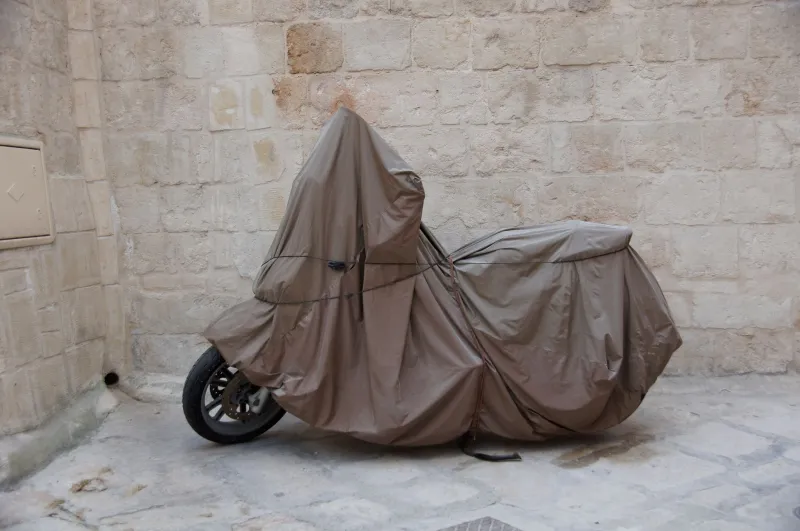
There's a specific kind of quiet that settles over a garage when you've already made the decision but haven't yet told anyone. You walk in, pull the cover back, and just stand there. The chrome is a little dull in the shop light. The seat has a crease you never got around to fixing. And somewhere in the smell of old oil and leather, half your life is stored.
Selling a classic motorcycle — one you've ridden through marriages and divorces, cross-country summers and long winters of neglect — is one of the strangest things a person can do. It's not like selling a car. It's closer to selling a chapter of your autobiography.
But sometimes it's the right call. And doing it well, with clear eyes and a fair hand, is its own kind of tribute to the machine.
Why This One Hits Different
We form attachments to all kinds of objects, but motorcycles earn a particular grip on the soul. Unlike a car, a bike demands physical commitment — you lean into it, balance against it, trust it with your body in a way that a steel cage never requires. That relationship is intimate in a way that's hard to explain to someone who hasn't lived it.
Psychologists who study object attachment talk about what they call the "endowment effect" — the tendency to value something more once you own it. But with a classic bike, it goes deeper than economics. Your machine has a history that's tangled up with your own. The scratch on the tank from that gravel road in New Mexico. The rebuilt carb you finally got right on a cold November Saturday. The first long ride after a health scare that reminded you you were still alive.
Those memories don't transfer in the bill of sale. That's the loss nobody warns you about.
Knowing When the Time Has Actually Come
Some owners hold on past the point of reason. The bike sits under a tarp for five years, then ten. It stops being a motorcycle and becomes a monument — a dusty shrine to a version of yourself you're not quite ready to retire.
Other owners sell too fast, in a moment of frustration after a mechanical headache, and spend the next decade quietly regretting it.
The honest signals that it might genuinely be time:
- You've stopped riding it. Not because of weather or schedule, but because the desire has faded and you're not sure it's coming back.
- It needs work you're not going to do. A restoration you keep pushing to next season — and the season after that — is a project that may be better suited to someone with fresh enthusiasm.
- Your circumstances have changed. Health, space, finances, family dynamics. Life shifts, and the collection sometimes needs to shift with it.
- A new rider is clearly right for it. Sometimes you meet someone — at a rally, in an online forum, at a swap meet — and you just know the bike belongs with them.
None of these reasons are failures. They're just honesty.
Getting the Price Right Without Selling Yourself Short
Emotional value and market value are two different currencies, and confusing them will either leave money on the table or price your bike into a permanent stall.
Start with research, not sentiment. Check sold listings on Bring a Trailer, Cycle Trader, and eBay Motors — not asking prices, but actual completed sales. Find comparables with similar mileage, condition, and originality. A numbers-matching 1968 Triumph Bonneville with documented history commands a very different price than a modified version of the same year with unknown provenance.
Condition grading matters. Be honest with yourself. "Runs great" is not a condition grade. Walk through the bike systematically: paint and chrome, mechanical condition, electrical function, tire age, frame integrity, and documentation. Price accordingly, and disclose what you know.
If you've put significant restoration money into the bike, understand upfront that you may not recover it all. Restoration costs rarely translate dollar-for-dollar into resale value. That's not a reason not to restore — it's just a reality to accept before you list.
Consider whether you want to sell privately, through a dealer, or at auction. Private sales through enthusiast communities tend to yield better prices but require more time and vetting. Dealers offer convenience at a cost. Auction houses like Mecum or Bonhams are worth considering for genuinely significant machines with strong documentation and provenance.
Writing the Listing Like You Mean It
A lazy listing does a disservice to a great bike. If the machine deserves a good home, give it a proper introduction.
Photograph it in good light — ideally natural, overcast daylight — from multiple angles. Include detail shots of the engine, gauges, frame numbers, and any notable wear or patina. Don't hide flaws; buyers who find surprises on delivery become hostile fast, and word travels in tight-knit collector communities.
Write a description that tells the story. When did you get it? What work has been done? What makes it special? You don't have to be sentimental, but a little personality goes a long way. Buyers of classic bikes aren't just purchasing transportation — they're purchasing a piece of history, and they want to know they're getting the real thing from someone who cared.
Vetting the Next Custodian
This is where private sellers often feel the most tension. You want to make sure the bike goes somewhere good — not to a flipper who'll part it out or a buyer who'll neglect it back into a barn.
It's entirely reasonable to ask questions. How long have they been riding? What's their experience with this type of machine? Do they have a garage, a shop they trust, access to parts? A genuine enthusiast will welcome the conversation. Someone who just wants to close the deal fast may not be your buyer.
You're not required to sell to the highest bidder. You're allowed to take less money for a buyer who's clearly the right fit. That's not bad business — that's stewardship.
The Handoff
When the day comes, give the bike a proper send-off. Clean it up. Fill the tank. Hand over every piece of documentation you have — title, service records, receipts, photos, anything that adds to its history. The next owner deserves the full picture.
And then let yourself feel whatever you feel. Grief, relief, pride, nostalgia — it's all appropriate. You shared a road with that machine. That's not nothing.
Some guys take a final ride the morning of the sale. Some write down a few notes about the bike's quirks and tuck them in the manual. Some just shake hands, take the check, and drive home without looking back.
However you do it, know this: a bike that's been loved and passed on with intention doesn't really leave. It just starts a new chapter. And somewhere down the road, someone else is going to fall for the same machine that once owned you — and they won't even know they're carrying a little piece of your story with them.
That's not a bad legacy for a few hundred pounds of steel and chrome.