No Showroom, No Problem: How to Buy a Classic Motorcycle in the Wild West of Private Sales
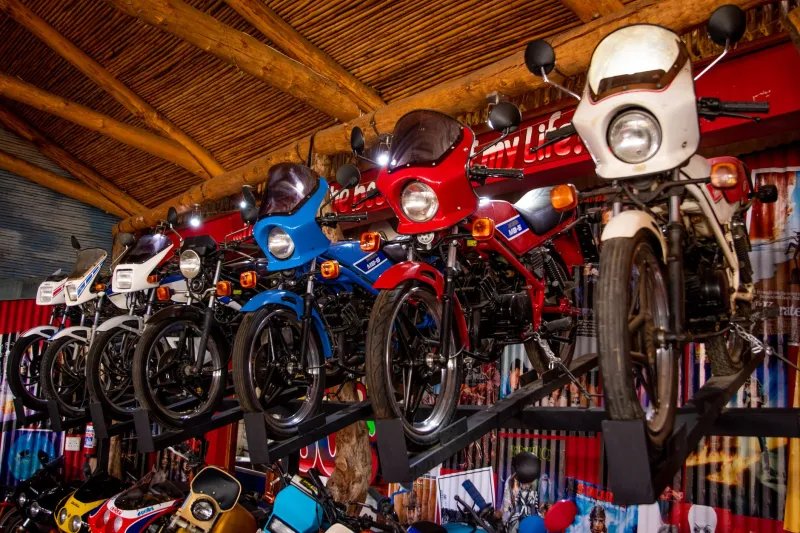
There was a time, not all that long ago, when buying a vintage motorcycle meant walking into a dealership that smelled like oil and old leather, shaking hands with someone who at least theoretically stood behind what they sold. That world is mostly gone. Today's classic bike market is fragmented, fast-moving, and entirely unmediated — and depending on who you ask, that's either the best thing that ever happened to enthusiasts or an absolute minefield.
The truth, as usual, lives somewhere in the middle.
Where the Market Went
The shift didn't happen overnight, but it accelerated hard after 2010. Craigslist laid the groundwork. Then came dedicated platforms like Cycle Trader and Bring a Trailer, followed by the explosion of Facebook Marketplace and the dozens of model-specific groups that now function as their own informal exchanges. Today, a guy in Tulsa can sell a 1972 Triumph Bonneville to a buyer in Vermont without either of them ever stepping foot in a dealership.
For sellers, this is almost universally good news. No consignment fees, no middleman markup, no waiting for a dealer to get around to listing your bike. For buyers, it's more complicated. The gatekeeping function that dealerships once served — however imperfectly — has evaporated. You're on your own.
And "on your own" covers a lot of ground when you're talking about machines that are fifty years old and have passed through multiple hands, each of which may have left their mark in ways that aren't immediately obvious.
The Pricing Problem Nobody Talks About
One of the quiet casualties of dealership decline is pricing transparency. When you had reference points — what dealers were asking, what auctions were clearing — it was easier to sanity-check a private listing. Now the market is so dispersed that pricing has become almost tribal. Facebook groups develop their own regional price norms. Bring a Trailer auctions can spike values dramatically based on a single high-profile sale, and that inflated number ripples through private listings for months afterward.
The result is a market where a professionally restored 1969 Honda CB750 and a "runs great, just needs a little work" parts bike can be listed within a few hundred dollars of each other, with nothing in the listing to tell you which is which.
Your best defense here is homework, and lots of it. Spend real time on the sold listings — not the asking prices, but what things actually moved for. Bring a Trailer's sold archive is genuinely useful. eBay Motors completed listings are another resource that doesn't get enough credit. Cross-reference what you're seeing with model-specific forums, where members often track market trends obsessively. That community knowledge is one of the few things that still functions like a consumer protection layer in this space.
Authenticity in the Age of "Sympathetic Restoration"
Here's a phrase you'll encounter constantly in private listings: "sympathetic restoration." It sounds reassuring. It is not always reassuring. In practice, it can mean anything from a careful, period-correct rebuild using appropriate parts to a bike that's been touched by someone who watched two YouTube videos and had access to a wire brush.
Authenticity verification has never been harder, and private sellers — even honest ones — don't always know what they have. Numbers-matching bikes command serious premiums, but confirming a match requires knowing where to look, and not every seller has done that work. Engine numbers, frame stamps, and date codes on components like carburetors and forks all tell part of the story. If you're buying remotely, which is increasingly common, you need either a local expert you trust or a professional pre-purchase inspection service. There are mechanics around the country who specialize in exactly this, and the $150 to $300 it costs for an inspection is almost always worth it.
For certain models — early Harley-Davidson Knuckleheads, Vincent Black Shadows, pre-unit Triumphs — the counterfeit and frankenbike problem is serious enough that you'd want documentation beyond just the seller's word. Registry entries, old titles, period photographs: these things matter.
Reading the Seller as Much as the Bike
In a dealership, you were buying from an institution. In a private sale, you're buying from a person, and that person's relationship to the bike tells you a lot. There's a meaningful difference between a long-time owner who built a machine over years and knows every quirk versus someone who picked it up at an estate sale six months ago and is flipping it.
Ask questions that require knowledge to answer. What oil weight do they run? When did they last adjust the valves? What's the carb jetting set to? A seller who's been living with the bike will answer these easily. A flipper will fumble. Neither situation is automatically a dealbreaker, but you want to know which one you're dealing with before you hand over cash.
Be skeptical of listings that are heavy on aesthetic photography and light on mechanical detail. A beautiful photo of chrome and patina tells you nothing about what's happening inside the cases. Ask for video of a cold start. Ask about recent maintenance receipts. Ask whether the title is clean and in the seller's name — a bike being sold on a bill of sale only, with no title, is a risk that most buyers underestimate.
The Upside Is Real
None of this is meant to scare you away from private sales, because the private market is also where the genuinely great finds live. Dealerships, when they existed in force, had their own markup incentives and weren't above misrepresenting a bike's history. Private sellers, particularly long-term enthusiasts who are downsizing or moving on from a model, often have the most complete histories, the most honest assessments, and the most reasonable prices of anyone in the market.
The model-specific Facebook groups and forums have also created something valuable: reputation. Sellers in tight-knit communities have a public record. Ask around about a seller before you buy. Someone in a vintage Honda group has almost certainly dealt with the same person you're looking at, and they'll tell you straight.
Trust the Process, Not the Platform
The platform — whether it's Marketplace, Craigslist, or a specialty auction site — is just a bulletin board. It doesn't vet listings, it doesn't guarantee anything, and its dispute resolution processes are not your friend when you're dealing with a $8,000 motorcycle that turns out to need a complete engine rebuild.
The protection you have is the process you build yourself: research prices obsessively, verify authenticity with documentation and physical inspection, read the seller as carefully as you read the listing, and never let deal excitement override your judgment. The classic bike market has always rewarded patience. The fragmented private-sale landscape hasn't changed that — it's just made patience a little harder to maintain when you're staring at a perfect 1966 BSA Lightning at two in the morning.
Take a breath. Do the work. The right bike is out there, and it'll still be worth finding when you've done your homework.