Colors, Cuts, and Brotherhood: Inside the Living Tradition of American Motorcycle Clubs
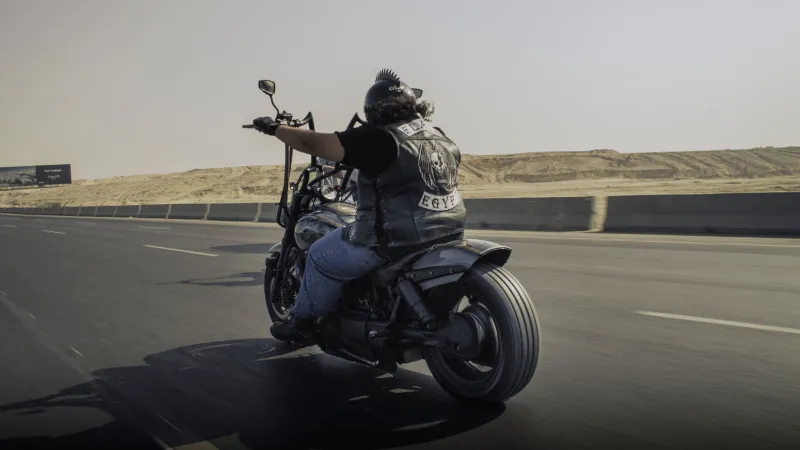
There's a moment at any large rally — Sturgis, Daytona Bike Week, the Love Ride out in California — when a club rolls in together. The sound arrives first, a low rolling thunder that parts the crowd before a single headlight appears. Then they come through, riding in loose formation, cuts on their backs, patches catching the sun. Whether you're a weekend solo rider or a seasoned club member yourself, something about that entrance stops you cold.
That's not an accident. It's the product of decades of tradition, ritual, and a code of conduct that most members will tell you can't really be written down — only lived.
Where It All Started
The roots of American club culture run straight back to the years after World War II. Thousands of veterans came home restless, carrying the muscle memory of machines and the hard-won comfort of unit cohesion. Civilian life felt soft by comparison. The motorcycle gave them back the speed, the risk, and — most importantly — the brotherhood.
Clubs like the Boozefighters formed as early as 1946, built around a philosophy of riding hard and sticking together. The 1947 Hollister rally in California, which the press famously sensationalized into a "riot," planted the outlaw image in the national imagination. That image was largely fiction, but it stuck, and some clubs leaned into it deliberately. Others pushed back, organizing around charity runs, veteran support, and community events.
By the 1950s and '60s, the landscape had fractured into something genuinely complex: outlaw clubs operating outside the American Motorcyclist Association's umbrella, mainstream clubs running sanctioned events, and everything in between. That complexity hasn't simplified much since.
The Patch: More Than Just Embroidery
Ask any club member what their colors mean to them, and you'll get a pause before the answer. That pause is telling.
A three-piece patch — top rocker with the club name, center emblem, bottom rocker with the territory — represents a process that can take years. Most clubs divide membership into a clear progression: hang-around, prospect, and finally full patch member. Each stage carries its own expectations, and none of them are casual.
A hang-around shows up. A lot. They ride with the club, help with events, get to know the members. No vest, no vote, no say. A prospect earns a bottom rocker and the club's bottom tab, but not the center patch. They're being evaluated — for reliability, character, and whether they actually fit the culture of that specific club.
Full patch is the destination. And in most clubs, you don't ask for it. It comes to you, by vote, when the membership decides you've earned it. "You can't rush it," one long-time member of a Midwest riding club told us. "The guys who try to rush it are usually the ones who don't make it."
Colors aren't transferable and they aren't sold. When a member leaves a club — voluntarily or otherwise — the cut stays behind. That's not just tradition. In many clubs, it's an absolute rule.
The Unspoken Hierarchy
Every club runs differently, but most share a recognizable structure. The President sets direction and represents the club externally. The Vice President holds things together internally. The Sergeant-at-Arms keeps order and enforces club rules. The Road Captain handles logistics for group rides — a role that sounds simple until you've tried to move forty bikes across three states without losing anyone.
Treasurers, Secretaries, and other officer roles round out the leadership. What makes the system work isn't the titles, though. It's the culture of accountability behind them. In a functioning club, everyone answers to someone, and the whole thing runs on earned trust rather than written bylaws.
That said, bylaws exist. Most clubs have them. They just don't advertise them.
What's Changed — and What Hasn't
Club culture has shifted in some meaningful ways over the past twenty years. The rise of the Motorcycle Rights Organization movement brought clubs into political advocacy in ways that would have seemed strange to the post-war founders. Veteran-focused clubs like the Combat Veterans Motorcycle Association have grown substantially, channeling club structure toward service and community rather than territory.
The "RUB" phenomenon — Rich Urban Bikers, a term that's more affectionate than it sounds — brought a wave of new riders into the culture in the 1990s and 2000s. Some clubs adapted, others stayed deliberately exclusive. A few older clubs will tell you the Harley-Davidson marketing boom both helped and complicated things, flooding roads with riders who loved the aesthetic but hadn't put in the miles.
Social media has added another layer. Clubs that once operated entirely by word of mouth now have Instagram accounts and YouTube channels. Some members see this as outreach and recruitment. Others see it as a dilution of something that was never supposed to be a brand.
What hasn't changed is the core of it. Ride together, look out for each other, show up when it matters. "The bike gets you in the door," as one veteran club member put it. "But the brotherhood is what keeps you there."
Respect on the Road
If you ride and you're not in a club, there's still an etiquette to understand. The two-finger wave — low and easy, off the grip — is a nod of mutual recognition between riders. It costs nothing and means something. Cutting through a club's formation on the highway is a serious breach of road manners. So is parking in a space clearly being held for an incoming club.
And if you ever find yourself at a rally where a club is present, the simplest rule applies: be respectful, mind your business, and don't ask about the patch unless you're invited to. The culture isn't hostile to outsiders. It's just not obligated to explain itself to them.
The Long Road Forward
American motorcycle club culture is nearly eighty years old now, and it's still riding. It's absorbed veterans, outlaws, professionals, and everyone in between. It's been romanticized in Hollywood and misunderstood in the press. It's outlasted trends, recessions, and the rise of the helmet cam.
What keeps it alive is the same thing that started it — people who want to ride with others who take the road seriously. The machines change. The routes evolve. The code, unwritten as it is, stays remarkably consistent.
That's worth something. On a long straightaway with the throttle open and your club running tight behind you, it's worth everything.